
Engineering Admission in India
Engineering continues to be a top career choice for students across India, offering a blend of innovation, technology, and practical problem-solving. Popular undergraduate programs like B.Tech and BE are typically four-year courses divided into eight semesters, with a strong focus on both theoretical knowledge and hands-on experience. Most institutions conduct campus placements during the final year, helping students secure jobs in leading companies before graduation.
With thousands of accredited engineering colleges nationwide, students have access to a wide range of specializations including computer science, electronics, mechanical, civil, and emerging fields like AI and data science. Admission is usually based on entrance exams such as JEE Main, state-level CETs, or university-specific tests. Engineering graduates are highly sought after in industries like IT, manufacturing, infrastructure, and research, making it a powerful launchpad for a successful career.

Eligibility Criteria
Candidates must successfully complete the 10+2 examination with at least 45% in Physics, Chemistry, and Mathematics in order to be admitted to the institution or university.
The direction of the institution or university determines the percentage criteria. Each university or institute has its own requirements, but they shouldn't be less than 45% in PCM.
Most engineering colleges and universities provide admission on the basis of the JEE score. So, it is advisable for the student to qualify JEE Mains exam.
All India Council for Technical Education's norms and regulations serve as the sole basis for the eligibility requirements for admission to engineering programs in India (AICTE).
Admission Process For Engineering In India
Engineering admissions in India: We help answer the two most important questions- How does one become a student of engineering in India? How can I enroll in BTech in India?
Most engineering colleges and universities provide admission on the basis of the JEE score. So, it is advisable for the student to qualify JEE Main exam.
Candidates aspiring for elite institutes like IITs must clear JEE Advanced after qualifying JEE Main.
For postgraduate engineering courses, candidates need to appear for the GATE exam for admission and scholarships.
Types of Engineering
Computer Science and Engineering
Biotechnology Engineering
Mechanical Engineering
Electronics and Communication Engineering
Electrical and Electronics Engineering
Power Electronics
Civil Engineering
Aeronautical Engineering
Automobile Engineering
Data Science
How to choose a College
Before selecting a college, it’s essential to decide which branch of engineering truly interests you. This step ensures that you pursue a program with motivation and clarity. Along with your preferred choice, it’s always wise to keep two or three backup options in case admission to your desired stream doesn’t work out.
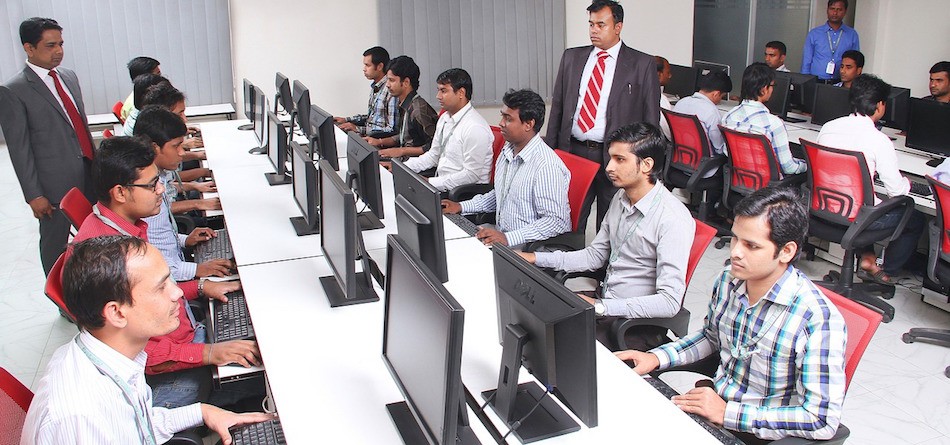
In India, engineering education starts right after 12th grade, and numerous colleges and institutes across the country offer B.Tech and BE programs. With one of the largest engineering communities in the world, India provides vast opportunities for aspiring engineers, though the admission process can often feel complex and time-consuming.
SmartPath simplifies this journey by offering expert guidance throughout the application process. Our counselors provide students and parents with clear, step-by-step support, ensuring that you make confident and informed decisions while applying to India’s leading engineering colleges.